Mechanically Lined Tubular (MLT)
for Downhole Applications
Our Mechanically Lined Tubulars (OCTG) combine the strength of a carbon steel outer layer with a Corrosion Resistant Alloy (CRA) lining and premium connections featuring metal-to-metal gas-tight sealing, delivering a cost-effective and high-performance alternative to solid CRA tubulars in the most demanding downhole environments.

MLT Pin Detail:

Specifications

Diameter
4″ – 20″

Grade Selection
K55, L80, T95 and P110 *13Cr/22Cr Hybrids
Host Tubular
API 5CT

CRA Selection
316L, 317LMN, 6 Mo, 22 Cr Duplex, 25 Cr Super Duplex, 904L, Alloy 825, Alloy 625, and Titanium Alloys.

Seal Details
Premium connection with CRA metal to metal sealing, while the outside surface and threads of the tubular remain carbon steel, reducing handling risks, special tooling needs, and galling.
Key Features






| Material Comparison | Cost | Corrosion Resistance (ID) | Corrosion Resistance (OD) | Temperature | Handling | Intervention & Mechanical Damage |
|---|---|---|---|---|---|---|
| Solid CRA | ||||||
| GRE Lined | ||||||
| Polymer Lined | ||||||
| Carbon Steel | ||||||
| Cladtek MLT |
Our Solution Offers:
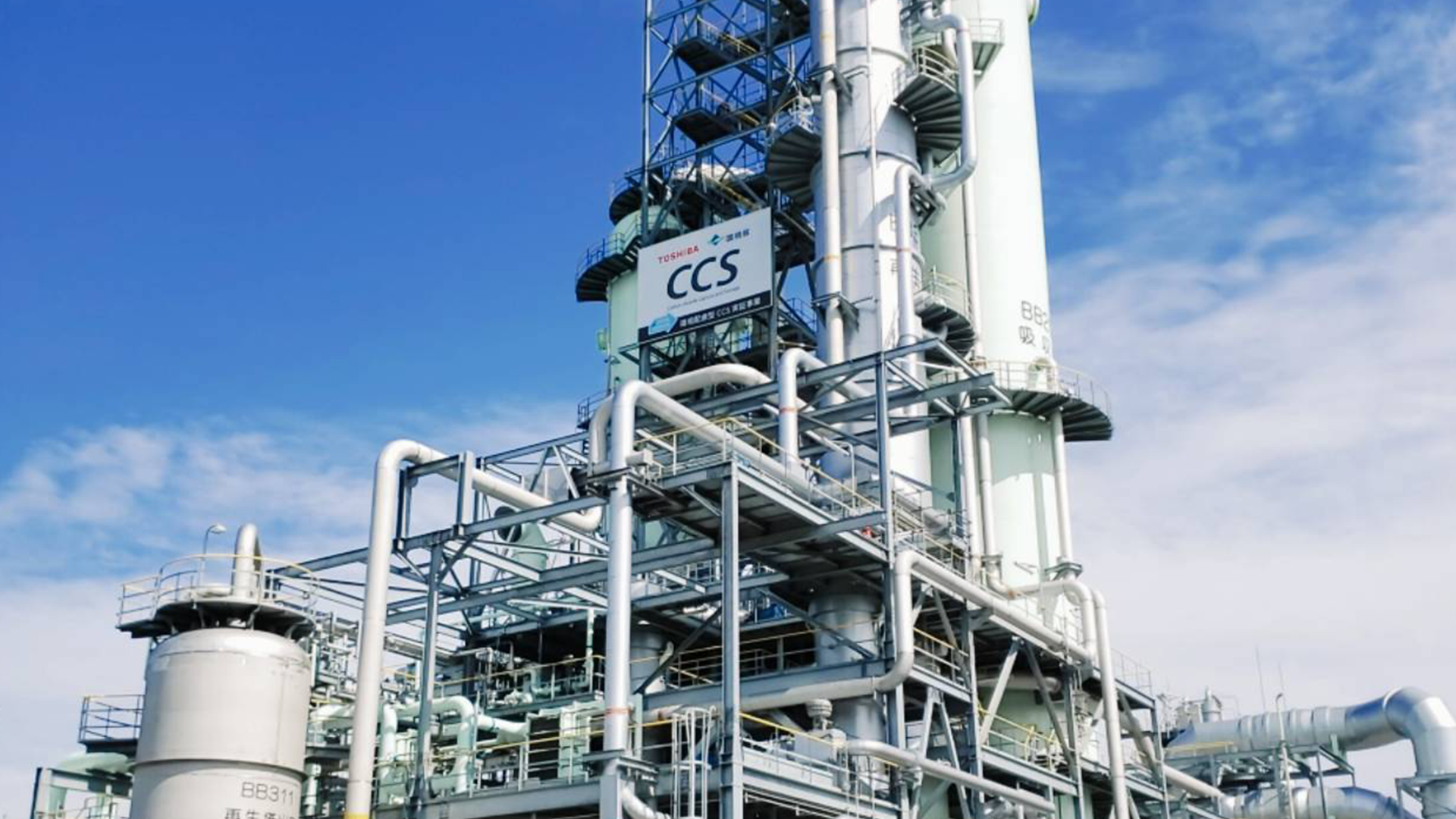
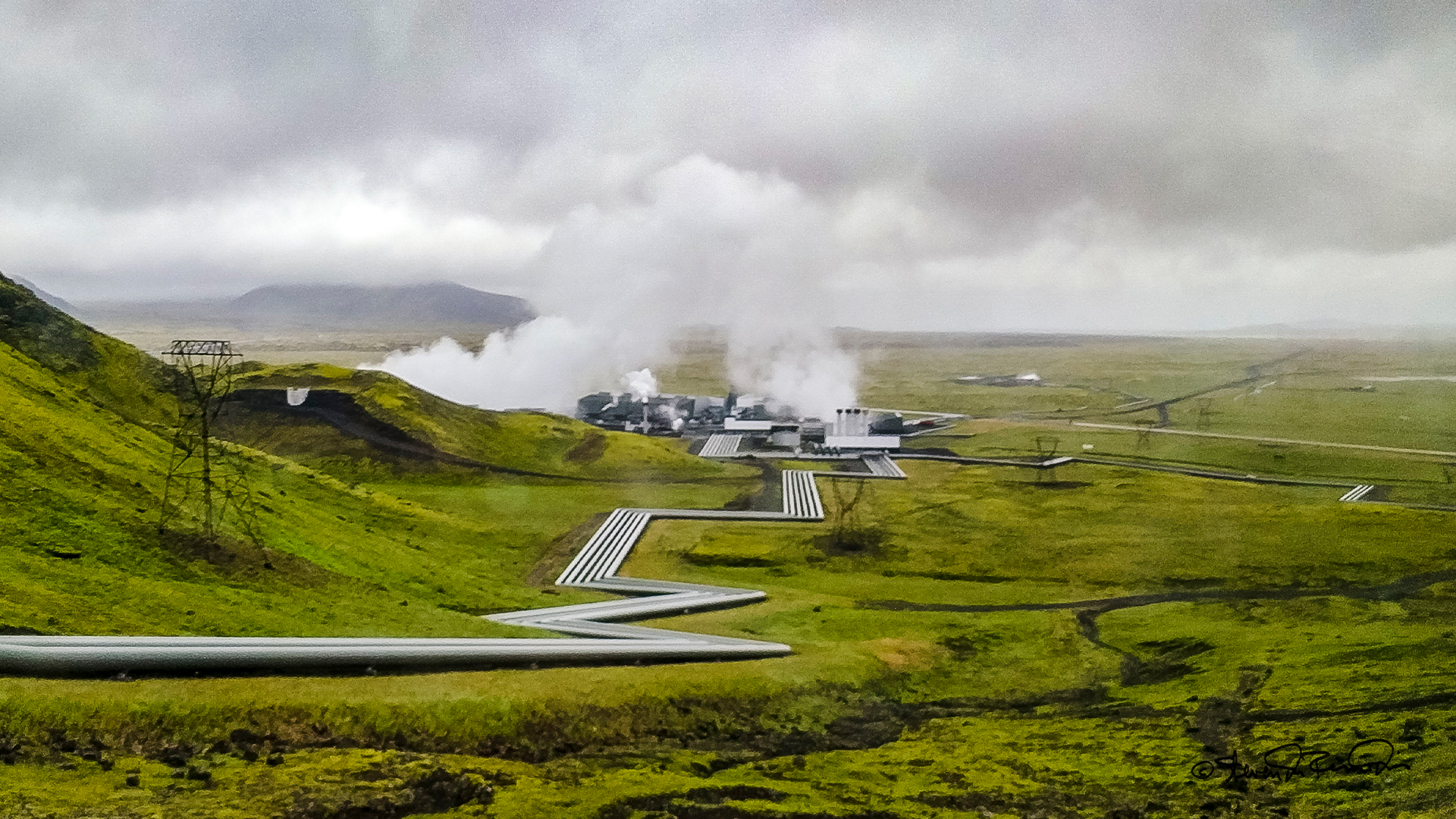
Mechanically Lined Tubulars (MLT) are used in downhole applications across geothermal, CCUS, and water injection wells. With a CRA liner, MLTs offer corrosion protection at higher temperatures than non-metallic options like GRE.
In CCUS, where 25Cr solid CRA is common, Cladtek’s MLT matches or exceeds corrosion performance while offering easier handling, higher toughness, and strength from the carbon steel backing. MLT is also more cost-efficient—especially at larger diameters—and allows safer cleaning and inspection. It can be combined with solid CRA in critical zones like perforations.