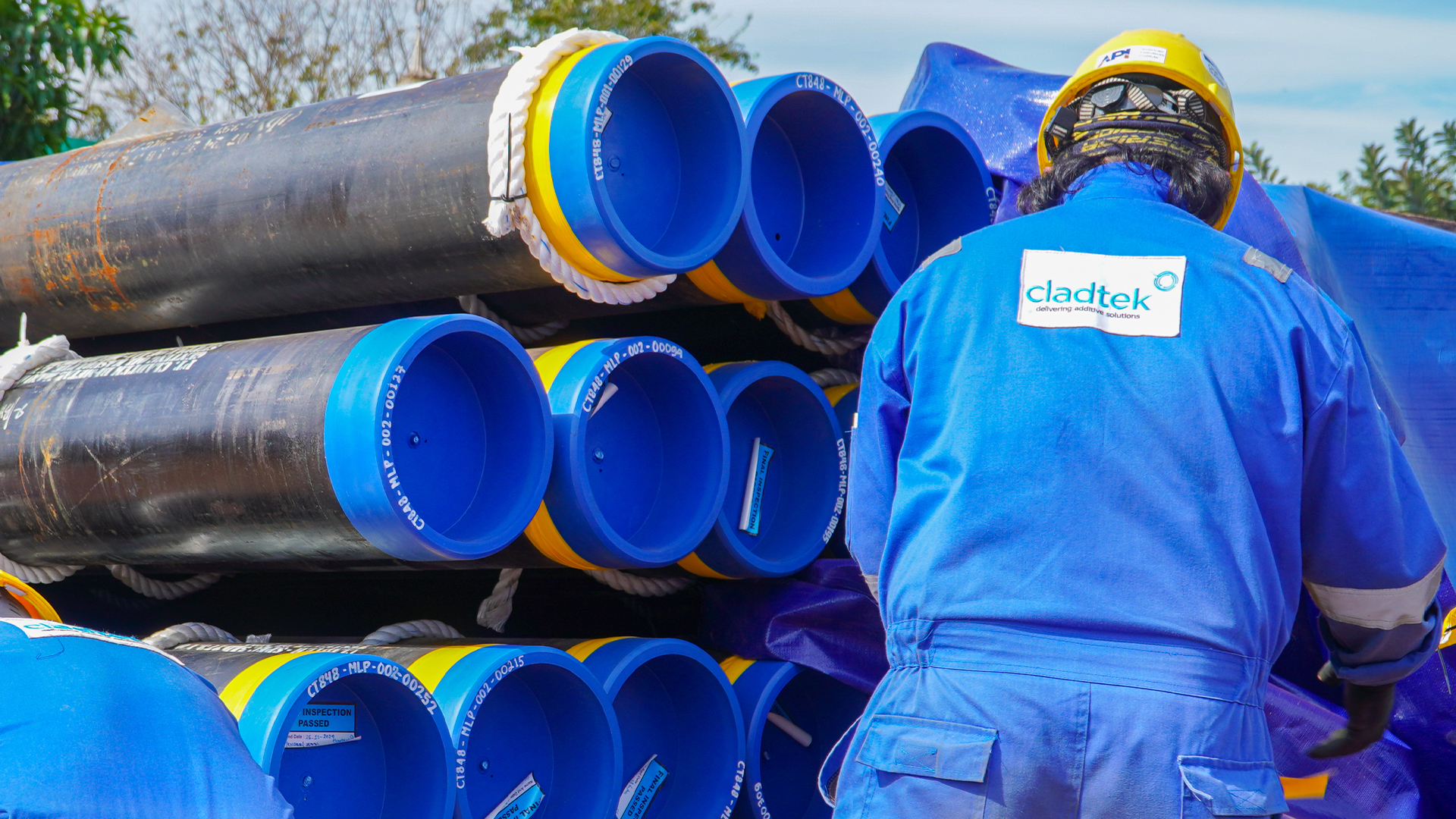
Corrosion is a challenge that has long plagued the oil and gas industry, particularly in the harsh environments of offshore platforms and subsea pipelines. The industry has traditionally relied on a range of techniques to mitigate corrosion, including protective coatings, corrosion inhibitors, and cathodic protection.
However, these methods come with their own operational costs, environmental concerns, and the need for frequent maintenance. Corrosion Resistant Alloy (CRA)-lined pipes have emerged as a superior solution, offering both durability and significant cost and environmental advantages.
This article delves into the multiple benefits of CRA-lined pipes, from improved corrosion resistance to their role in reducing carbon emissions during operation.
Corrosion: The Industry’s Ongoing Challenge
The presence of aggressive elements such as hydrogen sulfide (H2S) and carbon dioxide (CO2) in oil and gas production environments is a major cause of corrosion. When these substances come into contact with steel pipelines, they initiate reactions that weaken the pipe structure over time, leading to leaks, ruptures, and costly repairs.
Traditional carbon steel pipelines, although widely used, are vulnerable to these corrosive elements, and the failure to manage corrosion can have serious safety, operational, and environmental consequences.
Operators often employ corrosion inhibitors—chemicals that are injected into the pipeline to reduce the rate of corrosion—as a primary defense mechanism. While effective in slowing corrosion, the use of inhibitors has its drawbacks.
These chemicals require continuous application and monitoring, increasing both the complexity and cost of operations. In addition, the production, transport, and use of corrosion inhibitors contribute to the industry’s overall carbon footprint.
CRA-Lined Pipes: A Solution with Far-Reaching Benefits
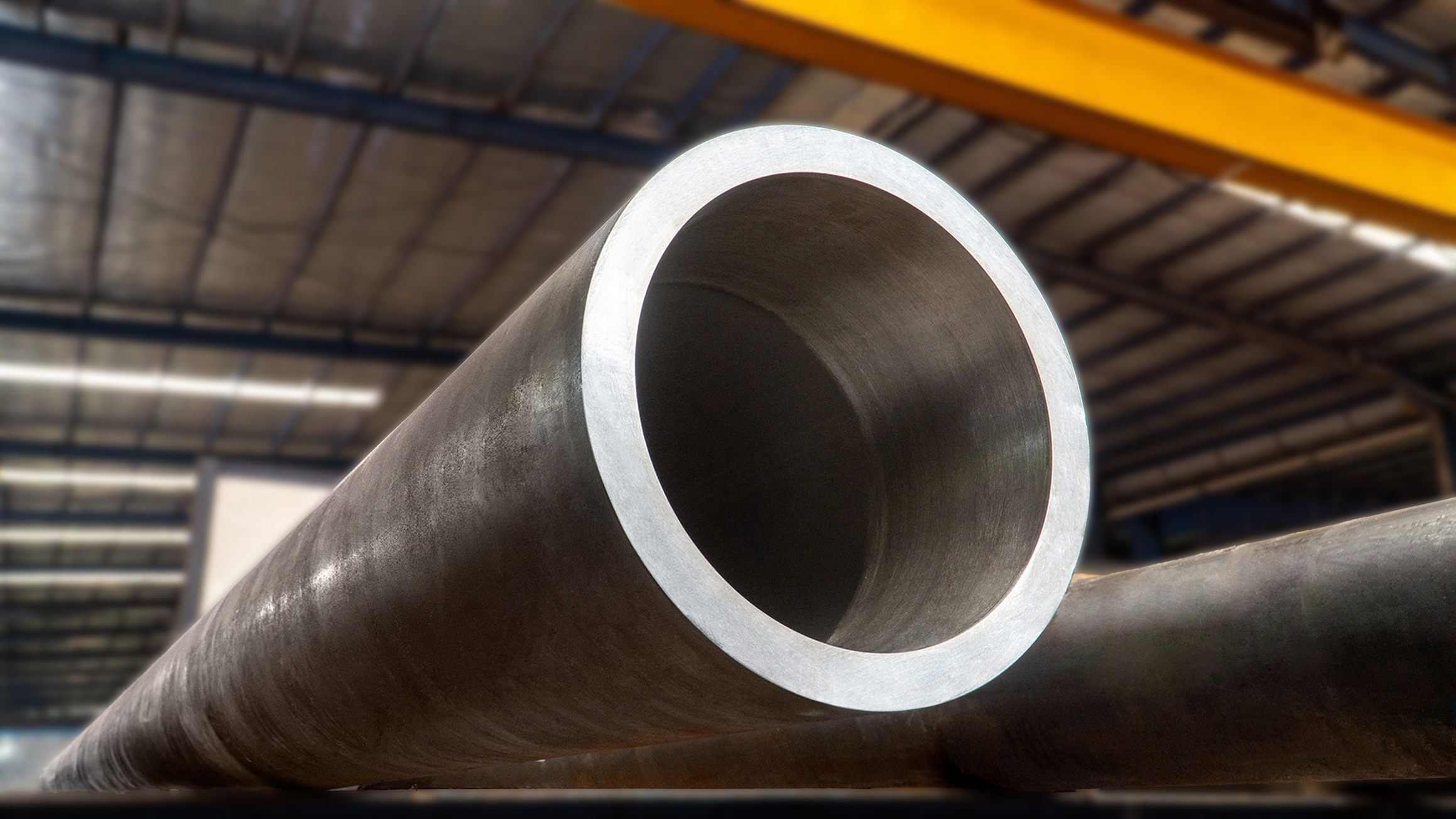
CRA-lined pipes offer a more efficient and sustainable alternative. These pipes feature an internal lining made from corrosion-resistant alloys, such as stainless steel or nickel-based alloys, which provide superior protection against the corrosive elements found in oil and gas production. By incorporating a CRA liner, operators can effectively prevent internal corrosion without the need for continuous chemical treatments.
Superior Corrosion Resistance and Longevity
The primary advantage of CRA-lined pipes lies in their exceptional resistance to internal corrosion. The CRA liner acts as a physical barrier, protecting the carbon steel outer layer from corrosive substances like CO2 and H2S. This significantly extends the service life of the pipeline, reducing the frequency of failures and the need for repairs.
In environments where corrosion is a constant threat, CRA-lined pipes can offer decades of reliable performance, far outlasting their carbon steel counterparts. This longevity translates into lower maintenance costs, reduced downtime, and a more predictable operation.
Operational Reliability and Reduced Maintenance
Pipeline failures due to corrosion not only disrupt operations but can also lead to significant safety and environmental risks. CRA-lined pipes help mitigate these risks by providing a robust defense against internal corrosion, ensuring the structural integrity of the pipeline over time. As a result, operators experience fewer instances of pipeline failure, leading to less frequent maintenance interventions.
Maintenance activities—especially in offshore or remote subsea locations—can be both expensive and logistically challenging. CRA-lined pipes reduce the need for such interventions, leading to more efficient operations and less exposure to the risks associated with repair work.
Cost-Effective in the Long Term
While the initial investment in CRA-lined pipes may be higher than that of traditional carbon steel pipelines, the long-term financial benefits are significant. One of the key factors contributing to the cost-effectiveness of CRA-lined pipes is the elimination of the need for corrosion inhibitors.
For carbon steel pipelines, corrosion inhibitors are typically injected into the pipeline on a continuous basis to slow the rate of corrosion. This not only adds to operational complexity but also involves recurring costs related to the procurement, transportation, and application of these chemicals. CRA-lined pipes, by contrast, do not require such inhibitors, leading to direct cost savings.
Moreover, the durability and reliability of CRA-lined pipes reduce the need for repairs, replacements, and downtime, all of which contribute to substantial cost reductions over the pipeline’s lifecycle. For operators seeking to balance initial capital expenditures with long-term operational savings, CRA-lined pipes offer a clear advantage.
Environmental Benefits: Reducing Carbon Emissions
Beyond cost savings, CRA-lined pipes offer considerable environmental benefits. The elimination of corrosion inhibitors results in a significant reduction in the carbon emissions associated with their production, transportation, and application. The chemical production process for inhibitors is energy-intensive, and transporting these chemicals to remote offshore locations can also result in additional emissions.
By using CRA-lined pipes, operators can drastically reduce their reliance on such chemicals, leading to lower greenhouse gas emissions over the course of the pipeline’s operation. Additionally, fewer maintenance interventions mean reduced use of energy-intensive equipment and less frequent deployment of repair vessels, further contributing to a reduction in the pipeline’s overall carbon footprint.
In an era where the oil and gas industry is under increasing pressure to reduce its environmental impact, CRA-lined pipes provide a tangible way to meet these goals. By reducing the carbon footprint of both the production and maintenance phases, CRA-lined pipes contribute to more sustainable and environmentally responsible operations.
Enhancing Sustainability and Regulatory Compliance
In addition to the direct environmental benefits, CRA-lined pipes can help operators meet increasingly stringent regulatory requirements related to emissions and environmental protection. Governments and regulatory bodies around the world are implementing stricter standards aimed at reducing the environmental impact of industrial activities, particularly in the oil and gas sector.
CRA-lined pipes, with their ability to minimize corrosion-related failures and reduce the need for chemicals and maintenance, align with these regulatory goals. By investing in CRA-lined pipes, operators not only improve the sustainability of their operations but also reduce the risk of non-compliance with environmental regulations.
Conclusion: A Forward-Thinking Solution for the Industry
The use of CRA-lined pipes represents a significant advancement in pipeline technology, offering both immediate and long-term benefits for oil and gas operators.
By addressing the challenges of corrosion more effectively than traditional methods, CRA-lined pipes provide a cost-effective, reliable, and environmentally friendly solution that supports sustainable pipeline management.
As the industry continues to evolve, CRA-lined pipes will play an increasingly important role in helping operators reduce operational costs, minimize environmental impact, and ensure the long-term integrity of their pipeline infrastructure.
In a world where both profitability and sustainability are key concerns, CRA-lined pipes offer a forward-thinking solution that addresses both.