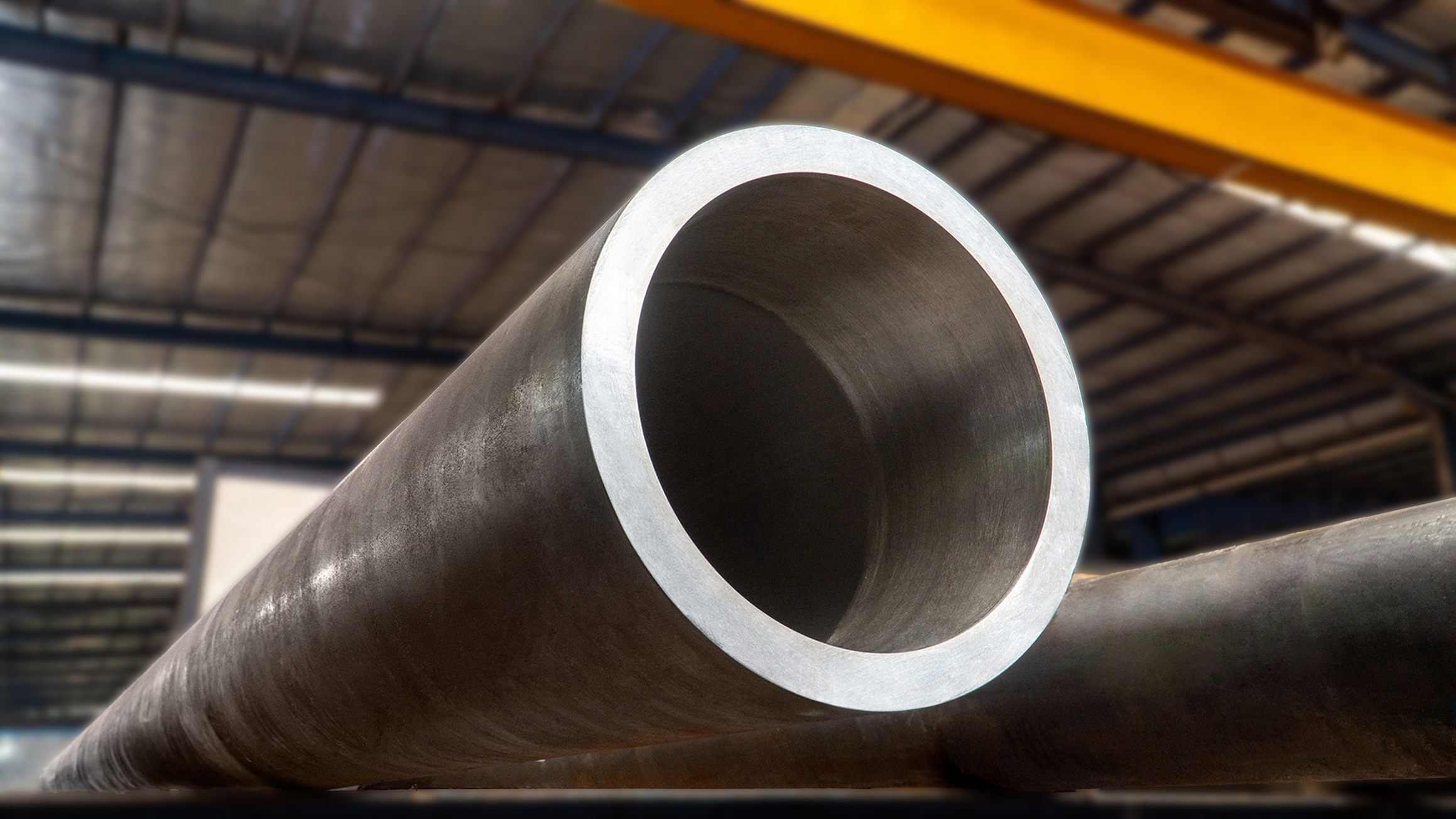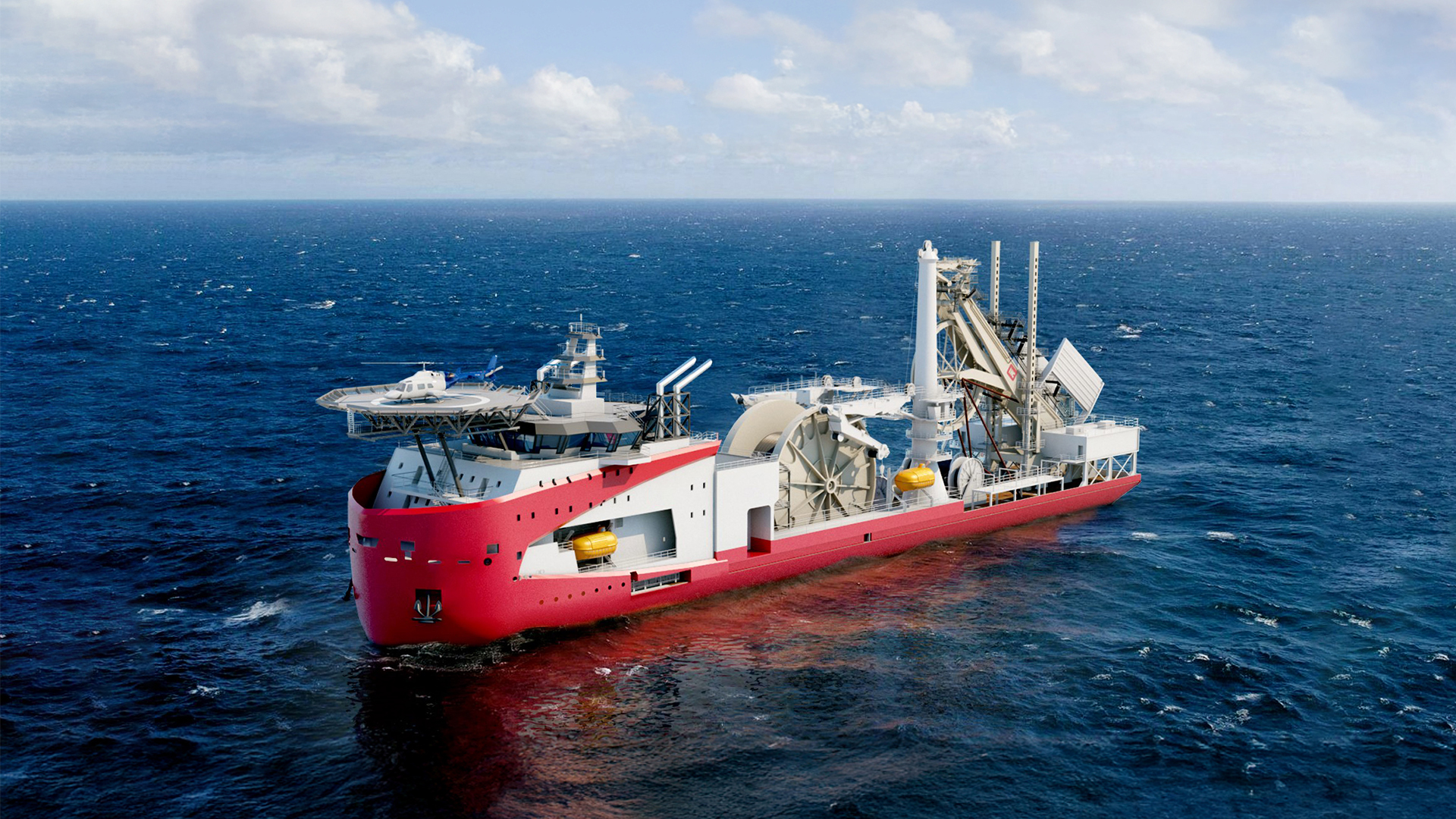
Advancing Mechanically Lined Pipe Technology for the Industry’s Next Challenges

By |2025-09-25T13:11:20+07:00September 1st, 2025|News & Updates|

Pioneering MLP Innovation Cladtek has advanced Mechanically Lined Pipe (MLP) technology with innovations such as tailored engineered weld overlaid ends. This development alone has redefined industry standards and broadened the applications for MLP - positioning Cladtek as a technical leader in MLP. Cladtek’s first MLP project was delivered in 2004 for Santos in Australia

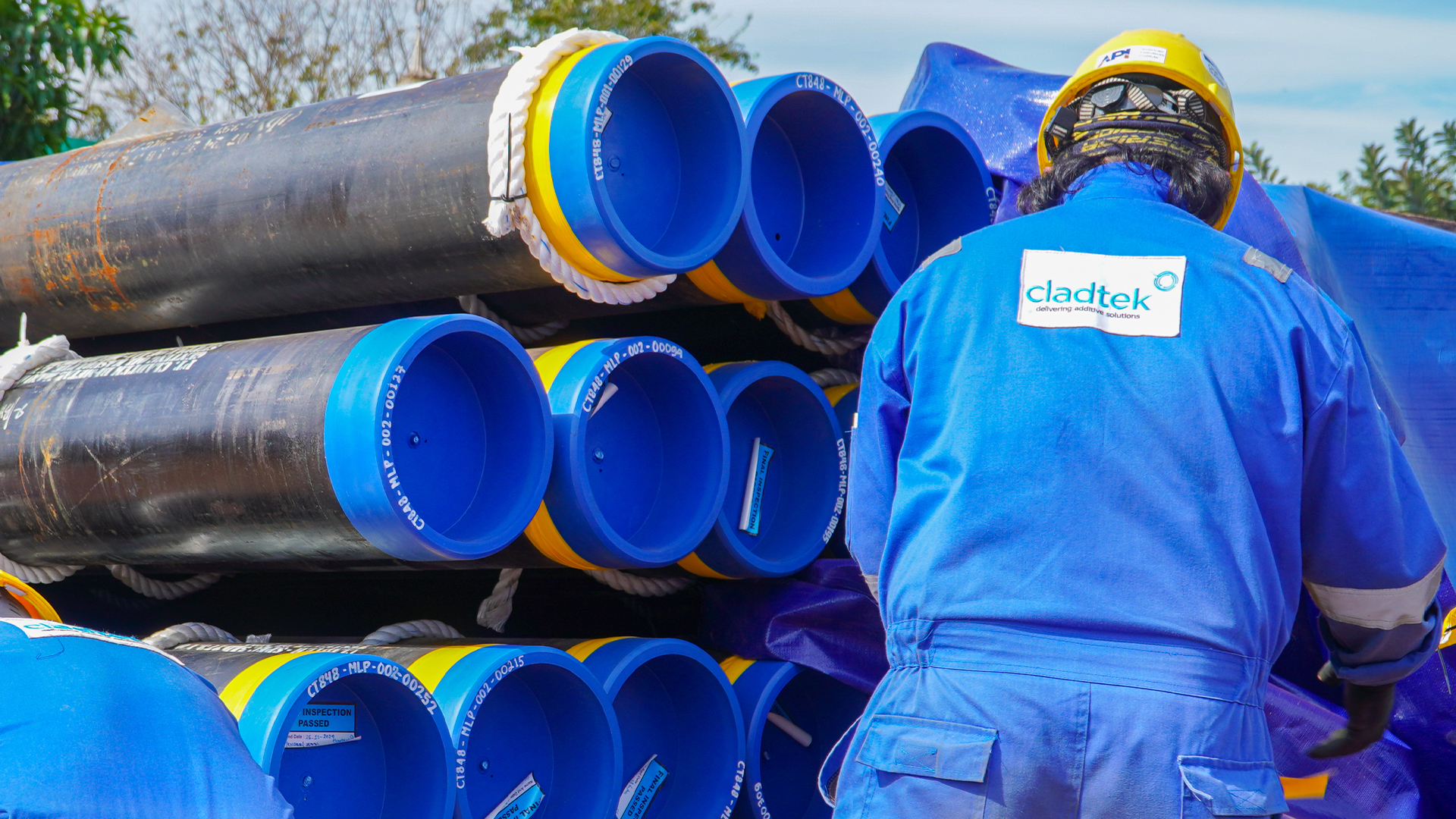
The Evolution of MLP: Setting New Standards in Corrosion-Resistant Pipelines

By |2026-01-26T16:21:57+07:00April 11th, 2025|Publications|

Innovation is the driving force behind the energy industry and one of Cladtek’s core values. The constant pursuit of technological advancements and cost-effective alternatives pushes this sector to develop groundbreaking solutions that revolutionize the market. Until the early 2000s, the industry struggled with costly or technically limited solutions for pipelines subjected to High Pressure/High

The Cost-Effectiveness & Environmental Benefits of CRA-Lined Pipes in Oil & Gas Operations

By |2025-11-26T15:45:22+07:00April 10th, 2025|Publications|

Corrosion is a challenge that has long plagued the oil and gas industry, particularly in the harsh environments of offshore platforms and subsea pipelines. The industry has traditionally relied on a range of techniques to mitigate corrosion, including protective coatings, corrosion inhibitors, and cathodic protection. However, these methods come with their own operational costs, environmental

32-Inch CRA-Lined Pipes: Advancing Performance for Offshore & CCUS Applications

By |2025-09-08T14:36:27+07:00February 5th, 2025|Publications|

Corrosion-resistant alloy (CRA) materials play a pivotal role in submarine pipelines, addressing internal corrosion caused by transported fluids. In environments where carbon steel is insufficient due to technical, operational, or economic challenges, CRAs provide a reliable alternative. Corrosion risks are particularly significant in the presence of carbonic acid (formed from dissolved CO₂) and hydrogen

Go to Top